Review of the Film Late Shift
Recently, out of sheer curiosity, I decided to watch a film titled Late Shift. At first, I assumed it would be a modest, low-key drama—but by the time the credits rolled, I found myself thinking about it long after. Though Late Shift has remained relatively understated in this year’s crowded film landscape, it is undeniably a remarkable work that deserves more attention.
Late Shift follows a Swiss nurse named Floria as she navigates the relentless pace of a night shift in an understaffed hospital. Through her experience, the film vividly portrays the intricacies and pressures of healthcare work and highlights broader social issues, including widespread misunderstanding of medical professions, chronic staff shortages, and structural flaws within healthcare systems.

While the narrative is simple and lacks dramatic twists, it resonates with viewers on a deeply human level. Floria single-handedly juggles countless tasks—taking vital signs, changing dressings, moving patients, and calming worried family members. Just as one task is completed, another emergency call sounds. This constant cycle of urgent demands creates a profound sense of exhaustion and helplessness that many workers can relate to, not just those in healthcare.
Most people are accustomed to handling controllable, predictable tasks at work. But when multiple crises arrive at once, it becomes impossible to keep up, triggering frustration, anxiety, and emotional strain—effects that extend beyond efficiency and can profoundly impact mental wellbeing. For many employees, the result is burnout, and the relentless stress is a major factor behind workforce shortages in demanding professions like nursing.
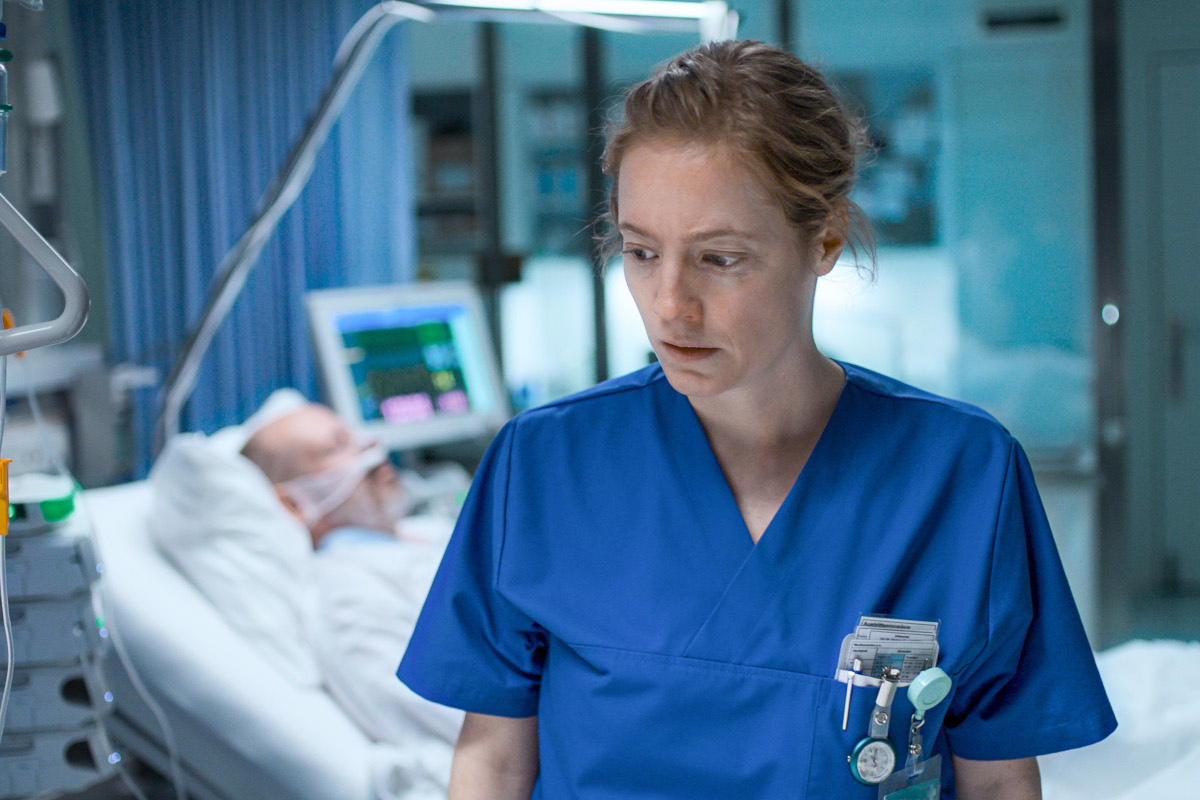
A particularly striking moment in the film occurs when Floria inadvertently administers a drug that a patient is allergic to. Although the error is quickly identified and the patient stabilized with the doctor’s help, Floria is left overwhelmed with guilt. Her colleague’s reassurance that “everyone makes mistakes” hardly eases the emotional toll, and after only a brief pause, she throws herself back into the work. This moment captures an uncomfortable truth: no human, even under normal circumstances, is expected to be error-free—but many modern workplaces demand perfection under extreme pressure, with little regard for emotional recovery.
So how might we begin to improve the working conditions for medical professionals? In my view, there are two key areas that need attention:
1. Improve workplace conditions – Hospitals and healthcare institutions must address staffing shortages by recruiting more personnel, including trainees and support staff, to share the workload. Better compensation and benefits would also help retain healthcare workers and elevate the sense of professional recognition.
2. Cultivate public understanding and empathy – Society at large must deepen its awareness of the realities faced by medical professionals and offer greater respect and support for their work.
Healthcare workers are not just staff within a system—they are the frontline guardians of health and healing. Their work is noble, demanding, and essential. I hope this film encourages audiences to appreciate their contributions and inspires meaningful discussions about how to support those who dedicate their lives to caring for others.
Leave a Comment